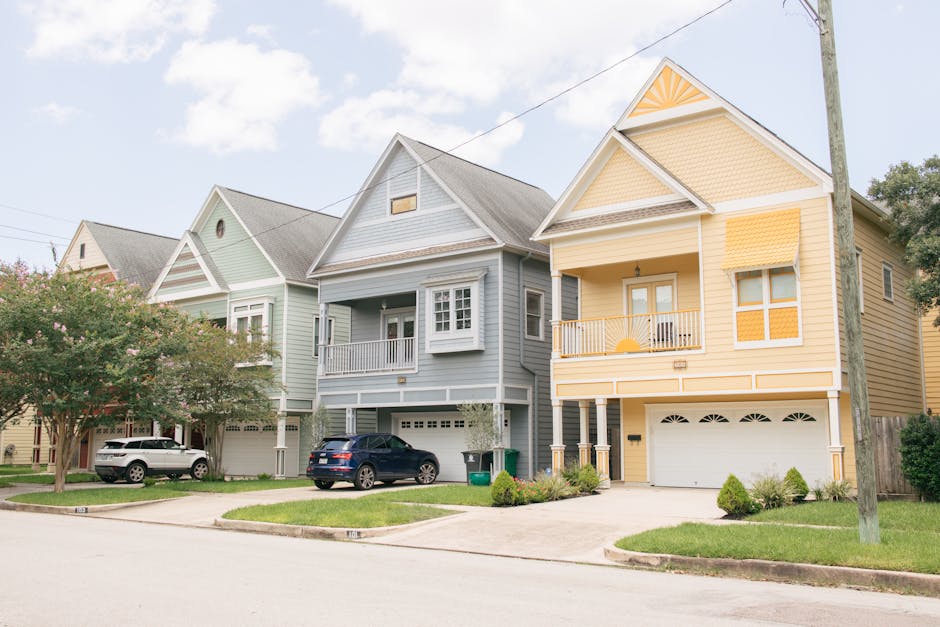
Houston neighborhoods mold problems often arise due to the city's humid climate and frequent heavy rains. Properties in these areas face increased risks of water damage, which can lead to persistent mold growth if not addressed promptly.
Homeowners in Houston should be aware that certain soil types and older construction methods can contribute to moisture retention, exacerbating mold issues. Identifying neighborhoods with a history of mold infestations helps residents take preventive measures and seek professional mold remediation services when necessary.
Local mold remediation contractors typically encounter recurring challenges in these high-risk zones, especially in homes with poor ventilation and inadequate waterproofing. Understanding the connection between Houston's environment and mold proliferation allows homeowners to better protect their properties from health hazards and costly repairs.
Get matched with vetted contractors via our to address mold problems effectively in Houston’s most affected neighborhoods.
Why It Matters in Houston, TX
Houston's humid climate and frequent heavy rainfall create ideal conditions for mold growth in many neighborhoods. Understanding which areas are most prone to mold problems helps homeowners take proactive steps to prevent structural damage and health risks.
Local mold remediation contractors often find that properties near bayous and low-lying zones face higher moisture intrusion, increasing the likelihood of persistent mold issues. Awareness of these risks empowers residents to seek timely professional assessments and targeted solutions, preserving property value and indoor air quality.
Houston Neighborhoods Most Susceptible to Mold Due to Climate and Geography
Houston's humid climate and frequent heavy rainfall create ideal conditions for persistent mold growth in many residential areas. Neighborhoods located within or near flood zones are especially vulnerable to mold problems due to prolonged moisture exposure and poor drainage.
Areas such as Addicks and Katy often experience elevated humidity levels combined with periodic flooding, significantly increasing the risk of mold issues in homes.
Addicks, situated near reservoirs and bayous, is prone to water accumulation during storms, contributing to local mold challenges. Similarly, the Katy area faces frequent water intrusion from nearby creeks and inadequate soil drainage, which encourages mold growth within building materials.
Homeowners in these neighborhoods should be aware that climate frequent moisture events can accelerate mold development if not properly addressed.
Key Houston Neighborhoods with High Mold Risk
- Addicks: High flood zone designation, frequent water pooling, elevated humidity
- Katy: Poor drainage areas, proximity to creeks, persistent moisture issues
- Southeast Houston: Low-lying topography, high soil saturation levels
- Northeast Houston: Close to bayous, increased likelihood of basement or crawlspace dampness
Local mold remediation contractors typically advise homeowners in these neighborhoods to monitor indoor humidity and inspect for signs of water damage regularly. Understanding the geographical and climatic factors contributing to mold problems in Houston aids residents in seeking appropriate professional assistance for effective remediation.
Common Mold Types Found in Houston Homes and Their Health Risks
Houston's humid climate fosters the growth of several common mold types that frequently infest residential properties. Among these, Stachybotrys, often called "black mold," is notorious for its potential to cause severe health risks such as respiratory issues and chronic allergic reactions.
This mold thrives in areas with persistent water damage, which is common in Houston homes exposed to heavy rainfall and high humidity.
Aspergillus is another prevalent mold species found in Houston residences. It can lead to allergic reactions, asthma exacerbations, and in rare cases, invasive infections in immunocompromised individuals. The presence of Aspergillus spores indoors is typically linked to damp materials and poor ventilation, conditions often observed in Houston's climate zones.
Other Frequent Mold Species and Associated Health Concerns
- Cladosporium: Commonly found on wood, fabrics, and drywall, this mold contributes to allergic rhinitis and asthma symptoms.
- Penicillium: Known for its rapid spread in moist environments, it can provoke allergic reactions and aggravate respiratory problems.
- Acremonium: Often found in HVAC systems, it may cause skin irritation and respiratory issues.
Homeowners in Houston should be aware that prolonged exposure to these molds can lead to persistent allergies, sinus congestion, and other health complications. Professional mold remediation contractors typically emphasize identifying the specific mold species present to tailor effective treatment plans that mitigate both structural damage and health risks.
Preventative Measures Houston Residents Can Take Against Mold Problems
Houston homes require targeted preventative measures to combat mold growth due to the region's humid climate and frequent heavy rainfall. Proper ventilation is essential in reducing indoor moisture levels, which can significantly inhibit the development of persistent mold.
Installing exhaust fans in kitchens, bathrooms, and laundry areas helps expel humid air, limiting the conditions favorable for mold issues.
Dehumidifiers are another effective tool for managing indoor humidity, especially during Houston's wet seasons. Maintaining indoor humidity below 50% reduces the risk of mold growth on walls, ceilings, and furnishings. Homeowners should regularly monitor humidity levels with hygrometers to ensure optimal conditions.
Additional Preventative Tips for Houston Residences
- Roof leaks should be inspected and repaired promptly to prevent water intrusion that can lead to severe water damage and mold problems.
- Proper drainage around the foundation helps avoid soil saturation, reducing the chance of moisture seeping into basements or crawl spaces.
- Regularly cleaning gutters prevents water overflow, which can compromise exterior walls and encourage mold species.
- Avoid carpeting in high-moisture areas such as bathrooms or basements, as carpets can retain moisture and foster mold growth.
Homeowners looking to minimize mold issues in Houston should expect to combine these strategies with routine maintenance. Professional inspections can also identify hidden moisture sources contributing to persistent mold.
Using a combination of ventilation, dehumidifiers, roof leak repairs, and effective drainage creates a comprehensive defense against the challenges posed by Houston’s climate.
Frequently Asked Questions
Which Houston neighborhoods are most vulnerable to mold problems?
Neighborhoods with older homes and poor drainage systems, such as the Heights, Third Ward, and parts of Sunnyside, are often more susceptible to mold problems. These areas experience persistent mold growth due to frequent heavy rainfall combined with aging infrastructure that can retain moisture and promote water damage.
How does Houston’s climate affect mold issues in specific neighborhoods?
Houston's humid climate and frequent heavy rainfall contribute to elevated indoor humidity, especially in low-lying neighborhoods like Greenspoint and Kingwood. These conditions encourage mold growth in homes with inadequate ventilation or persistent moisture problems, increasing the need for local mold remediation contractors.
Are new construction neighborhoods in Houston less prone to mold problems?
Newer neighborhoods often incorporate modern building materials and improved drainage, which can reduce the risk of mold issues. However, even in these areas, improper construction or landscaping that traps moisture can still lead to water damage and mold growth, requiring professional assessment by remediation contractors.
Can basement or crawl space moisture contribute to mold problems in Houston homes?
Yes, moisture accumulation in basements or crawl spaces is a common source of persistent mold growth. In Houston, where humid climate and heavy rainfall prevail, these areas are prone to dampness that can cause significant water damage and escalate mold issues, necessitating targeted remediation efforts.
What should homeowners expect when addressing mold problems in Houston neighborhoods?
Homeowners looking to resolve mold problems in Houston should expect an evaluation of moisture sources typical in the region’s humid climate. Local mold remediation contractors typically recommend addressing both the visible mold growth and underlying causes like water intrusion or poor ventilation to prevent recurrence.
Houston's humid climate combined with frequent heavy rainfall creates ongoing challenges for homeowners in many neighborhoods prone to persistent mold problems. Understanding which areas are most vulnerable can help residents take proactive steps to address mold growth and water damage risks before they escalate.
Local mold remediation contractors typically recommend regular inspections and moisture control to prevent costly indoor humidity-related issues.
Homeowners looking for professional solutions should consider contacting experienced Houston mold remediation services to schedule and obtain detailed quotes. Get matched with vetted Mold Remediation in Houston, TX via our -matching form to protect your property from ongoing mold issues.