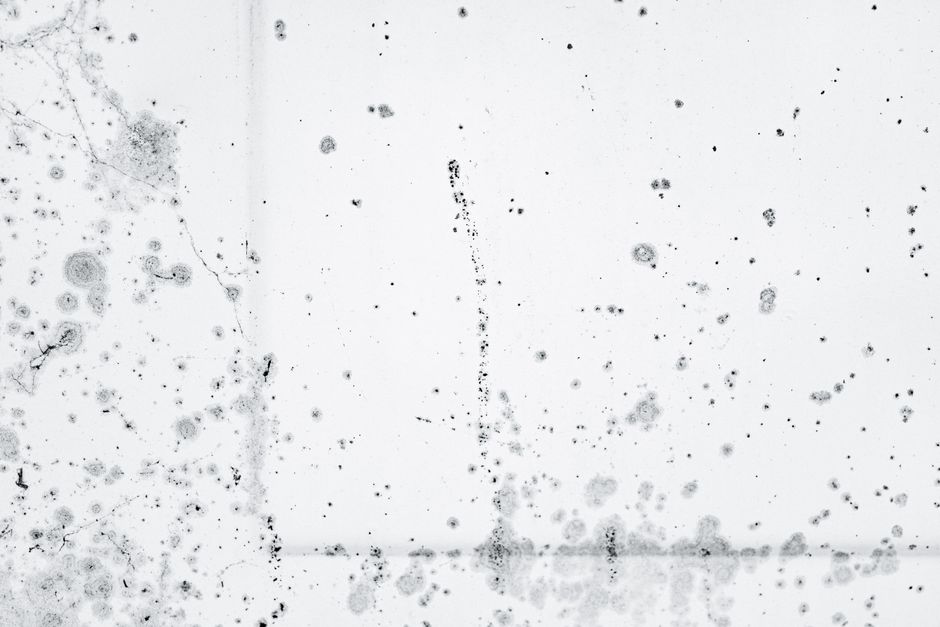
Humidity levels affect mold growth Houston homeowners often face significant challenges due to the city's consistently high humidity and moisture. The persistent presence of moisture in the air creates an ideal environment for mold spores to thrive, leading to potential health risks and property damage.
Understanding how humidity impacts mold development is crucial for effective prevention and control. Local mold remediation contractors in Houston emphasize that maintaining optimal indoor humidity levels can reduce the likelihood of mold infestations.
Homeowners looking to protect their properties should be aware of the relationship between Houston's climate and mold growth patterns, ensuring proper ventilation and moisture control methods. Being informed about how humidity levels contribute to mold problems helps residents take proactive steps toward a healthier living environment and avoiding costly repairs.
Why It Matters in Houston
Houston's humid subtropical climate creates ideal conditions for mold growth, making humidity control crucial for homeowners. Persistent high humidity levels combined with frequent rainfall and warm temperatures increase the risk of water damage and mold infestations. Understanding how humidity impacts mold development helps residents protect their properties and health.
Local mold prevention strategies tailored to Houston's unique environment can significantly reduce the likelihood of costly remediation efforts and structural deterioration.
How Houston's High Humidity Levels Create Ideal Conditions for Mold Growth
Houston's humidity levels frequently range between 60% and 90%, creating a consistently moist environment that promotes mold growth. This elevated humidity stems from the city's proximity to the Gulf of Mexico and its warm climate, which together sustain high moisture in the air throughout much of the year.
These persistent high humidity levels increase the likelihood of mold development both indoors and outdoors. When indoor spaces maintain relative humidity above 60%, conditions become ideal for spores to settle and proliferate on surfaces such as wood, drywall, and fabric.
Outdoors, Houston's humid climate supports mold growth on organic matter like leaves and soil, which can then introduce spores into homes.
Understanding humidity ranges in Houston is essential because even short periods of elevated moisture can trigger rapid mold infestations. The combination of warm temperatures and moisture accelerates mold's life cycle, allowing colonies to establish within 24 to 48 hours.
This dynamic underscores why many properties in Houston face ongoing challenges with local mold.
Homeowners and property managers should recognize that controlling ambient humidity levels is critical in reducing the risk of mold growth. Awareness of Houston's unique climate helps residents take proactive measures to protect properties from the detrimental impacts of excessive moisture and mold-related damage.
Common Household Areas in Houston Most Vulnerable to Mold Due to Humidity
Houston's persistent high humidity significantly influences the prevalence of household mold in specific areas prone to moisture accumulation. Rooms with poor ventilation and frequent exposure to moisture air create ideal environments for mold infestations.
Identifying these vulnerable zones helps homeowners target prevention efforts effectively.
Bathrooms are among the most susceptible due to constant water use and limited airflow. Surfaces such as shower tiles, grout, and ceilings often retain moisture, encouraging mold growth.
Similarly, kitchens experience high humidity from cooking and dishwashing activities, particularly around sinks, under cabinets, and behind appliances where humidity impacts are pronounced.
Basements and crawl spaces in Houston homes frequently suffer from elevated humidity caused by soil moisture and inadequate ventilation. These areas often harbor hidden mold infestations on walls, insulation, and flooring materials.
Additionally, window sills, especially those exposed to outdoor humidity and condensation, serve as common sites for household mold development.
Other Common Mold-Prone Areas in Houston Homes
- Attics: Poor ventilation combined with roofing leaks can trap humidity, promoting mold on wooden structures.
- Laundry rooms: Moisture from washing machines and dryers increases the likelihood of mold on walls and floors.
- Air conditioning units and ducts: Accumulated condensation creates breeding grounds for mold spores.
Understanding these common household areas vulnerable to mold due to Houston's humidity levels helps residents take proactive measures. Targeted inspections and maintenance in these spaces can significantly reduce the likelihood of mold, ultimately protecting property and health.
Effective Strategies to Control Indoor Humidity and Prevent Mold Growth in Houston Homes
Homeowners in Houston seeking to manage humidity control and minimize mold prevention should focus on reducing moisture accumulation indoors. Effective strategies typically involve improving ventilation, using dehumidification equipment, and addressing sources of water intrusion. These methods help maintain indoor humidity levels below the critical range where mold growth thrives.
Professional companies in Houston often recommend installing exhaust fans in high-moisture areas such as bathrooms, kitchens, and laundry rooms. Proper ventilation circulates air, removing excess moisture that otherwise contributes to mold development.
Additionally, using air conditioners or dedicated dehumidifiers can significantly lower indoor humidity, especially during the city's persistently humid months.
Additional Practical Tips for Houston Residents
- Seal leaks and cracks: Repairing foundation or roof leaks prevents water intrusion, a key factor in indoor mold infestations.
- Maintain gutters and downspouts: Ensuring proper drainage reduces soil saturation around the home, limiting moisture penetration.
- Monitor indoor humidity: Using hygrometers helps homeowners track levels and take action before reaching the mold-friendly threshold.
- Use moisture barriers: Installing vapor barriers in crawl spaces or basements can block ground moisture from entering living areas.
- Avoid drying clothes indoors: This common practice raises indoor humidity, increasing the likelihood of mold growth.
By implementing these targeted strategies, residents can better protect their properties from the adverse effects of Houston's high humidity. Understanding how to control indoor moisture is essential for effective mold prevention and maintaining healthy living environments in this challenging climate.
Frequently Asked Questions
How quickly can mold develop in areas with high humidity?
Mold growth can begin within 24 to 48 hours in environments with persistent high humidity and moisture. In places like Houston, where humidity levels often exceed 60%, this rapid development increases the likelihood mold will form on damp surfaces.
What are common signs that humidity is causing mold problems?
Visible mold infestations, musty odors, and condensation on windows are typical indicators of excessive indoor humidity. Residents should also watch for peeling paint or warped wood, as these symptoms often accompany mold development linked to elevated humidity impacts.
How can homeowners effectively reduce indoor humidity to prevent mold?
Mold prevention involves controlling moisture air through ventilation, using dehumidifiers, and repairing leaks promptly. Professional contractors typically recommend maintaining indoor humidity levels below 60% to significantly reduce likelihood mold will take hold in vulnerable areas.
Are certain building materials more prone to mold in humid conditions?
Porous materials like drywall, wood, and carpet tend to absorb moisture, increasing the risk of mold infestations. Selecting moisture-resistant products and ensuring proper sealing can help protect properties from the adverse effects of persistent high humidity.
What role do local mold remediation contractors play in managing humidity-related mold?
Local mold remediation contractors usually assess moisture sources and recommend tailored solutions to control humidity levels. They help residents take proactive steps by identifying problem areas and advising on effective mold prevention strategies suited for Houston’s unique humidity impacts.
Houston's persistent high humidity creates an environment where mold infestations can develop rapidly, posing risks of property damage and health concerns. Understanding the role of indoor humidity and implementing effective mold prevention strategies help residents protect their homes from extensive mold growth and costly remediation.
Homeowners seeking to address existing mold or prevent future issues should consider consulting with local mold remediation contractors in Houston. Get matched with vetted Mold Remediation in Houston, TX via our -matching form to connect with professionals who can provide tailored solutions for your property’s specific humidity and mold challenges.