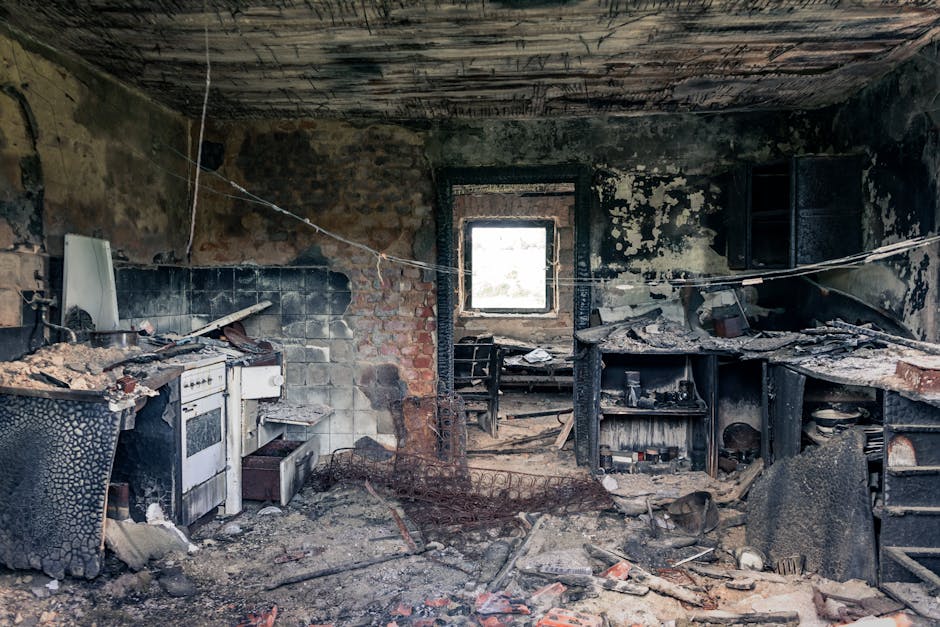
Water damage causes mold Houston homeowners often face due to the city's humid climate and frequent storms. When water infiltrates walls, floors, or ceilings, it creates the perfect environment for mold spores to grow rapidly. Without prompt drying and remediation, mold problems escalate, leading to health risks and structural issues.
Houston residents should understand how lingering moisture from leaks, floods, or plumbing failures directly contributes to mold infestations. Recognizing the connection between water damage and mold growth helps homeowners take timely action to protect their properties and families.
Local contractors specializing in water damage restoration and mold remediation emphasize the importance of addressing water intrusion quickly to prevent costly repairs and indoor air quality concerns.
Why It Matters in Houston
Houston’s humid climate and frequent heavy rains create an environment where water damage can quickly escalate into serious mold problems. Local homes and buildings are particularly vulnerable due to the region’s high moisture levels, which promote rapid mold growth after water intrusion.
Understanding the connection between water damage and mold development is critical for Houston residents to protect indoor air quality, prevent structural deterioration, and avoid costly remediation. Timely action and professional assessment help mitigate these risks, preserving both property value and occupant health.
How Water Damage Creates the Ideal Environment for Mold Growth in Houston Homes
In Houston, the combination of water damage and the region’s naturally high humidity creates a prime environment for mold growth. When water intrusion occurs, it significantly raises indoor moisture levels, saturating building materials like drywall, wood, and insulation.
This excess moisture fosters an ideal habitat where mold spores can thrive and multiply rapidly.
Water damage alters the indoor air quality by increasing relative humidity well beyond the typical 30-50% range recommended for healthy homes. In Houston’s humid climate, this elevated moisture persists longer, extending the window for mold colonization.
Additionally, porous materials affected by water serve as nutrient-rich substrates, accelerating mold growth if not promptly dried and treated.
Key Factors Linking Water Damage to Mold Growth in Houston Homes
- Elevated Humidity: Water leaks or flooding raise indoor humidity above normal levels, providing moisture essential for mold spore germination.
- Material Saturation: Structural components like wood framing and drywall absorb water, creating damp surfaces that support mold colonization.
- Poor Ventilation: Limited airflow in affected areas traps moisture, prolonging damp conditions favorable to mold proliferation.
- Extended Moisture Exposure: Houston’s climate slows drying times, allowing mold colonies to establish and spread within 24 to 48 hours after water damage.
Common Sources of Water Damage That Lead to Mold Problems in Houston Residences
In Houston's humid climate, several common sources of water damage contribute to mold problems in residential properties. Water leaks from aging or damaged plumbing systems often go unnoticed for extended periods, allowing moisture levels to rise and create an environment conducive to mold growth.
Additionally, flooding resulting from heavy rainfall or inadequate drainage can saturate building materials, leading to persistent water intrusion and subsequent mold infestations.
Houston homes frequently face challenges from roof leaks caused by storm damage or poor maintenance, which enable water to penetrate attics and ceilings. Foundation cracks and improper sealing can also permit groundwater seepage, further exacerbating moisture accumulation.
These issues combined with Houston’s naturally humid climate increase the risk of developing significant mold problems if left unaddressed.
Typical Causes of Water Intrusion in Houston Residences
- Plumbing issues: Burst pipes, faulty fixtures, and slow leaks inside walls or under floors.
- Flooding: Heavy rains overwhelming drainage systems or rising floodwaters entering basements and crawl spaces.
- Roof leaks: Damaged shingles, flashing failures, or clogged gutters allowing water entry.
- Foundation cracks: Soil movement and poor waterproofing leading to groundwater seepage.
- Poor ventilation: Trapping moisture indoors and increasing condensation on surfaces.
Homeowners looking for solutions should expect professional contractors in Houston to assess these common water damage sources thoroughly. Early identification and remediation are key to preventing extensive mold growth and protecting indoor air quality.
Common Mistake to Avoid
Houston residents frequently underestimate the importance of immediate water damage mitigation. Delaying repairs allows moisture levels to remain elevated, creating an ideal environment for mold growth. Many homeowners mistakenly believe that visible drying is sufficient, overlooking hidden water intrusion behind walls or under flooring.
This oversight significantly increases the risk of persistent mold infestations, which can compromise indoor air quality and lead to costly remediation.
The Timeline of Mold Development After Water Damage in Houston’s Humid Environment
In Houston, the mold growth timeline following water damage can be remarkably rapid due to the city's consistently humid climate. Typically, visible signs of mold can appear within 24 to 48 hours after water intrusion occurs.
This swift development is primarily driven by the combination of elevated moisture levels and warm temperatures common in Houston residences.
Several factors influence the speed and extent of mold colonization. The type of water damage, such as clean water leaks versus contaminated floodwater, affects mold growth rates. Porous materials like drywall, wood, and carpet provide ideal substrates for mold spores to settle and proliferate quickly.
Additionally, poor ventilation and sustained high humidity levels exacerbate the problem by maintaining a favorable environment for spores to thrive.
Key Factors Affecting Mold Development Speed in Houston Homes
- Humidity: Houston's average relative humidity often exceeds 50%, accelerating mold spore germination.
- Temperature: Warm indoor temperatures between 70°F and 90°F promote faster mold metabolism.
- Material Porosity: Absorbent materials retain moisture longer, aiding mold establishment.
- Extent of Water Damage: Larger or hidden water intrusion areas allow mold to spread undetected.
Homeowners looking to understand the mold growth timeline after water damage in Houston should expect mold to develop quickly without prompt moisture control. Professional companies in Houston typically emphasize rapid assessment and drying to mitigate these risks and prevent extensive mold infestations.
Effective Water Damage Mitigation Strategies to Prevent Mold Growth in Houston Homes
Following water damage incidents, Houston residents should prioritize swift water damage mitigation to curb potential mold growth. Immediate actions focusing on reducing moisture levels and improving indoor air circulation are essential in this humid climate.
Professional contractors typically recommend starting with water extraction and thorough drying of affected areas within the critical 24 to 48 hours window to prevent mold colonization.
Effective drying techniques often involve a combination of dehumidifiers, high-velocity fans, and controlled ventilation. These methods work together to lower ambient humidity and accelerate evaporation, thereby limiting the opportunity for mold spores to settle and grow.
Houston homes benefit significantly from tailored approaches that consider the region's humid climate and common building materials prone to water retention.
Key Steps for Immediate Water Damage Mitigation in Houston Homes
- Remove standing water: Use pumps or wet vacuums promptly to eliminate excess water.
- Increase airflow: Deploy fans and open windows when weather permits to enhance drying.
- Utilize dehumidifiers: Maintain indoor humidity below 50% to inhibit mold growth.
- Discard porous materials: Remove saturated carpets, drywall, and insulation that retain moisture.
- Monitor moisture levels: Employ moisture meters to ensure affected areas dry completely.
Homeowners looking to prevent mold problems after water intrusion in Houston should also consider professional assessments to identify hidden moisture pockets. Timely mitigation efforts reduce the risk of long-term mold infestations, protecting both property value and indoor air quality.
Water Damage and Mold Problem Cost Breakdown for Houston Residents
| Service Type | Cost Range | Typical Timeline |
|---|---|---|
| Water Extraction | $500 - $2,000 | Several hours to 1 day |
| Drying and Dehumidification | $1,000 - $3,000 | 2 to 5 days |
| Mold Inspection and Testing | $300 - $800 | 1 to 2 days |
| Mold Remediation | $1,500 - $6,000 | 3 to 7 days |
| Structural Repairs | $2,000 - $10,000+ | 1 to 3 weeks |
Frequently Asked Questions
How quickly can mold start to grow after water damage?
Mold growth can begin within 24 to 48 hours after water intrusion in Houston homes. The region's humid climate accelerates moisture levels in building materials, creating an ideal environment mold spores need to colonize and expand rapidly.
What types of water damage are most likely to cause mold problems?
Water damage from sources such as leaky pipes, roof leaks, and flooding significantly increase the risk of mold infestations. These issues introduce persistent moisture levels that deteriorate building materials, facilitating mold colonization and affecting indoor air quality.
Can mold growth be prevented after water damage?
Effective water damage mitigation is crucial to prevent mold growth. Houston residents should focus on rapid drying of affected areas, controlling moisture levels, and repairing the source of water intrusion. Professional contractors often recommend thorough inspection and remediation to maintain healthy indoor air.
Why is Houston's humid climate a concern for mold development?
The Houston humid climate maintains elevated moisture levels in the air and building materials. This persistent moisture fosters an environment conducive to mold growth, complicating efforts to fully dry out structures after water damage, thereby increasing the likelihood of extensive mold problems.
What are common signs of mold following water damage?
Mold infestations often manifest as visible discoloration on walls or ceilings, musty odors, and increased allergy symptoms. Houston homeowners should monitor for these signs after experiencing water intrusion, as early detection is key to addressing potential mold problems and protecting indoor air quality.
Understanding the link between water damage and mold growth is crucial for Houston residents aiming to protect their homes from mold infestations and compromised indoor air quality.
Promptly addressing water intrusion and controlling moisture levels in building materials can significantly reduce the risk of persistent mold problems in Houston's humid climate.
Homeowners seeking professional assistance should contact local Houston water damage and mold remediation experts to evaluate their property and recommend effective solutions. Get matched with vetted Mold Remediation in Houston, TX via our -matching form to begin safeguarding your home today.